
 English
 Nederlands
 Deutsch
 Français
 Español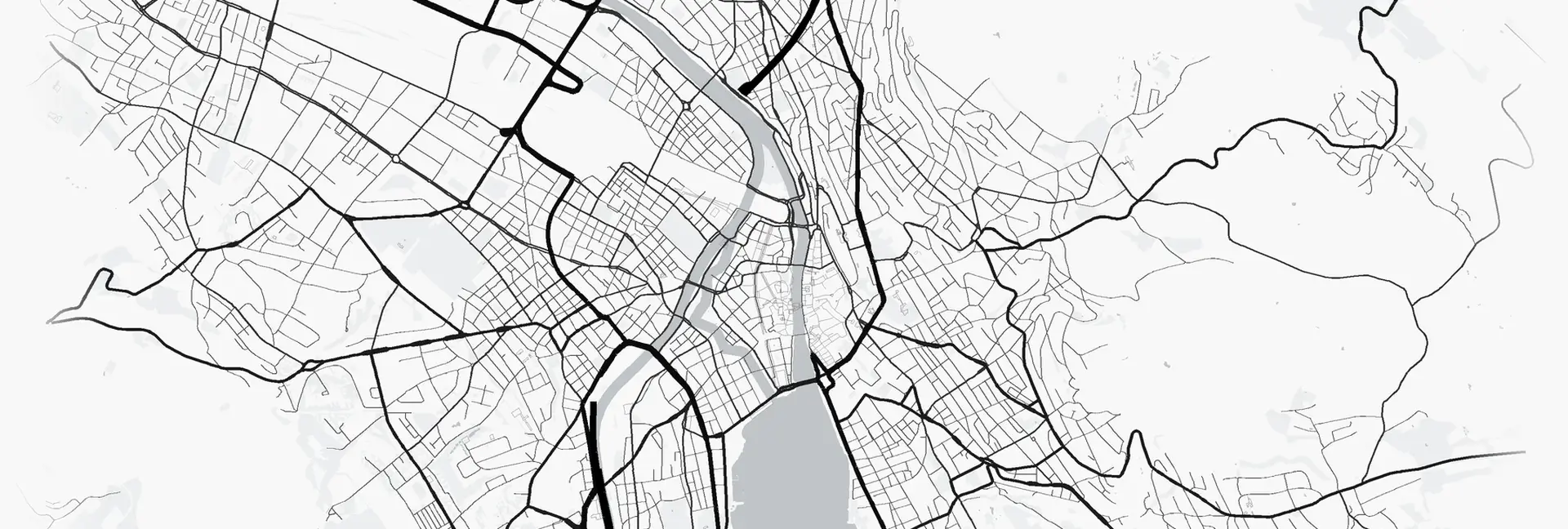
Zurich
About this location
Traveling to Zurich offers the choice between daytime ICE services along the Rhine Valley or the direct overnight sleeper. The daily ÖBB Nightjet departs in the evening from Amsterdam, Utrecht, and Arnhem (as well as Brussels) and rolls into Zurich HB by breakfast. Daytime travelers connect seamlessly via Frankfurt or Basel. Main departure and boarding stations for the ICE / ÖBB Nightjet include:
- Brussels-South (Midi) (6h 19m, 2 transfers)
- Liège-Guillemins (6h 56m, 2 transfers)
- Arnhem Central (7h 36m, 2 transfers)
- Rotterdam Central (7h 38m, 2 transfers)
Train tickets to Switzerland are most economical when booked 3 to 6 months in advance, with entry-level fares starting at €39.90. Late bookings often reach €160.00, making early reservations worth up to €120 (75%). Slower alternatives include Flixbus or multi-leg budget connections.
You step out at Zürich Hauptbahnhof (HB) at the head of the Bahnhofstrasse, only ten minutes on foot from Lake Zurich. From the station, the ZVV Tram & S-Bahn provides rapid access across all city districts, while PubliBike / Züri Velo offers city bikes right along the Limmat River.
Driving to Switzerland requires roughly 8h 25m at the wheel (~706 km). Beyond approximately €89 in fuel (assuming 6.5 L/100 km, or ~€54 for EV charging (19 kWh/100 km)), account for around €42 in tolls (Swiss motorway vignette (CHF 40, annual)) and central parking (€38 per day in the city center (or ~€16 per day at a peripheral P+R)). For a weekend trip (round-trip fuel, any tolls, and 48 hours of central parking), total driving costs amount to ~€338 (~€268 for an electric car). Swiss highways require: no urban emissions badge, but the motorway vignette is mandatory on all expressways. EV chargers along the way can be found via this link.
Transit & Connectivity
Overview of major transport hubs in Zurich.
How far can you get by train
Drag to set maximum travel time. Click on a destination for the fastest route.